
A historic village inn in the heart of Llangybi
A historic village inn in the heart of Llangybi


Set in the beautiful Usk Vale, The White Hart Village Inn is a historic country inn with centuries of stories behind it.From its early origins to its links with royalty, politics and literature, the building has long been part of Llangybi’s landscape and character.
Today, The White Hart remains a welcoming village inn, but its history can still be seen throughout. Original beams, period features, Tudor plasterwork and open fireplaces all help tell the story of a building that has stood at the heart of the area for generations.
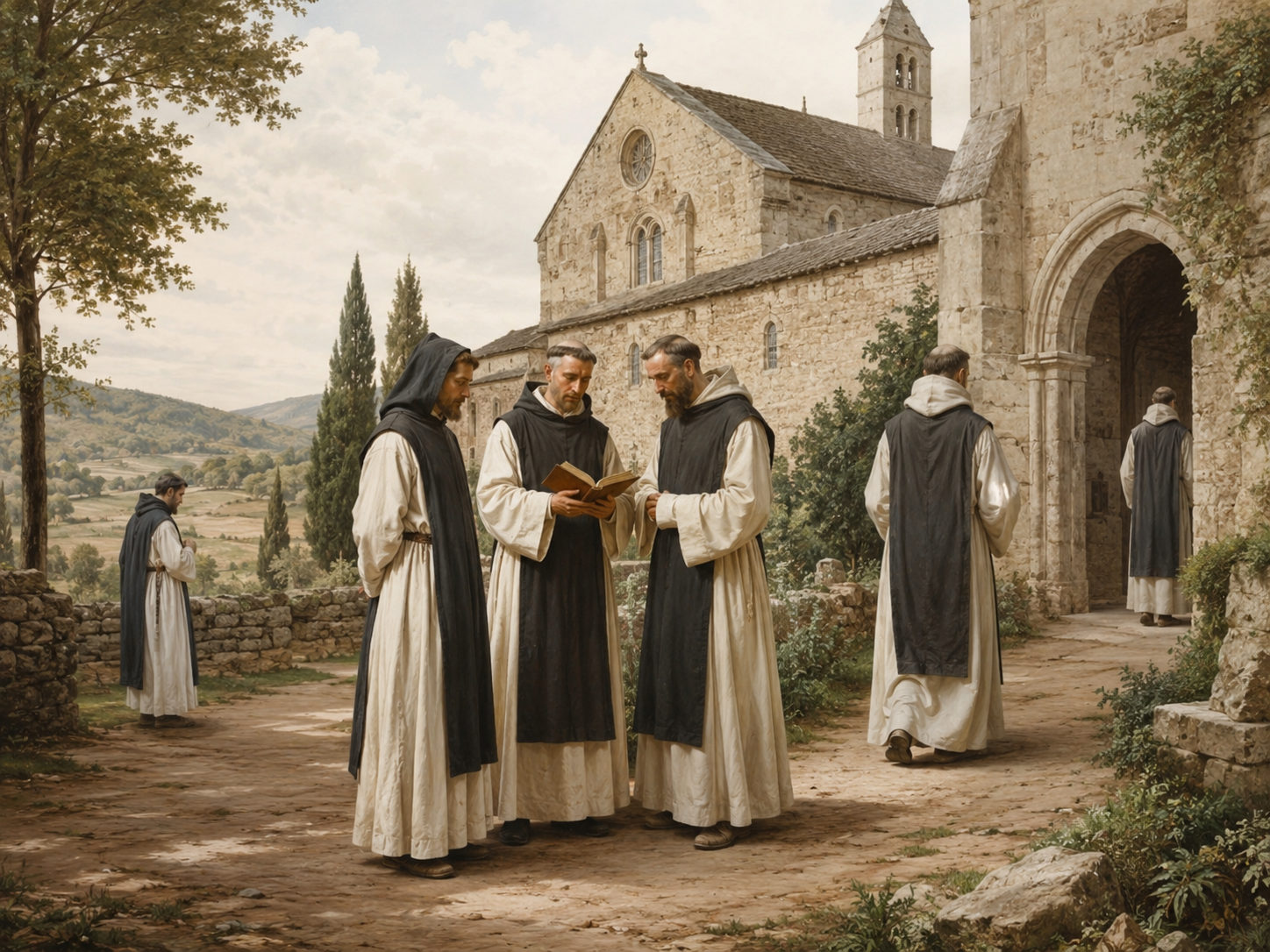
The White Hart is believed to have originally been built in the 12th century for Cistercian monks. Located in the Usk Vale, the building formed part of a landscape shaped by religion, rural life and the historic routes that passed through this part of Wales.
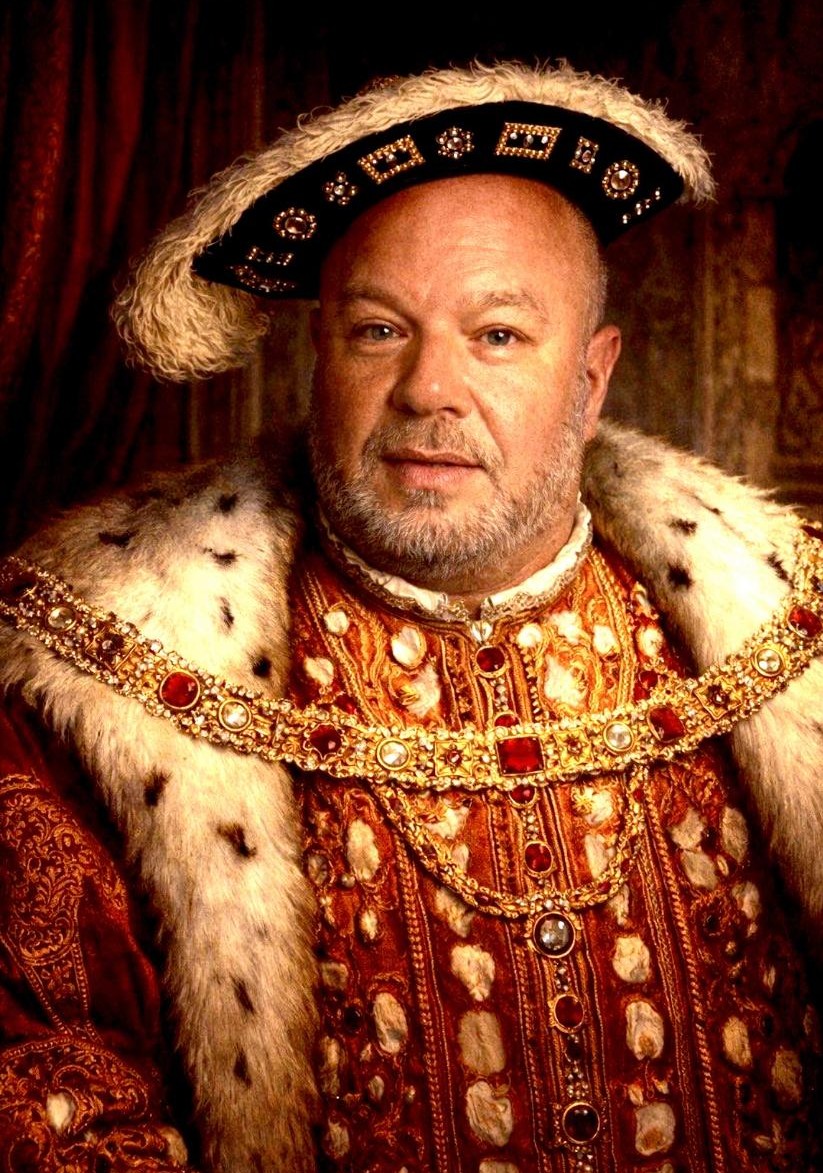
In the early 1500s, The White Hart became connected to one of the most famous royal stories in British history. It is said to have become the property of Henry VIII as part of Jane Seymour’s wedding dowry.
Jane Seymour was Henry VIII’s third wife and had a number of properties in the area. The White Hart is believed to have been one of them, giving the inn a remarkable link to the Tudor period.
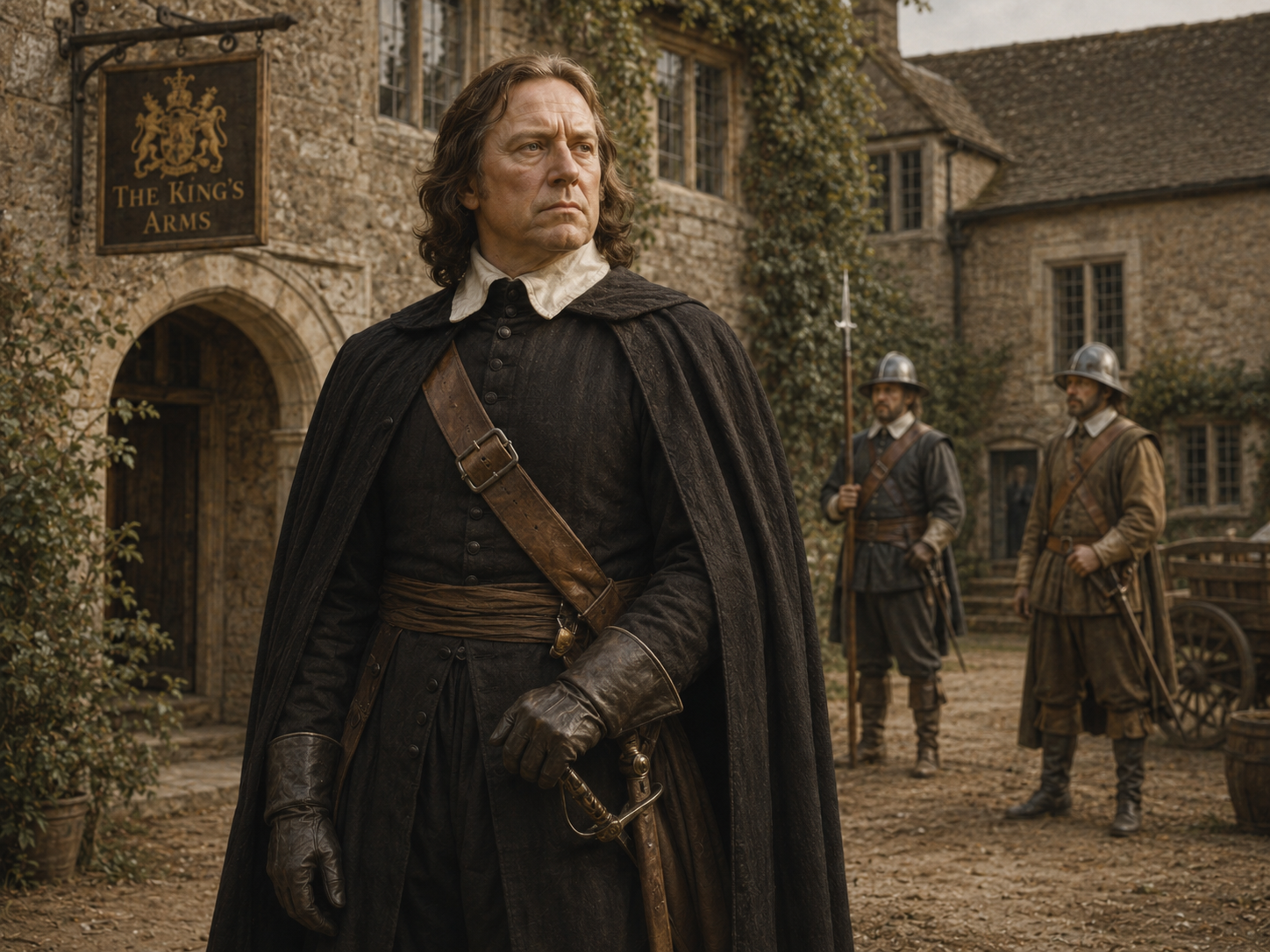
Around a century later, The White Hart was reputedly used by Oliver Cromwell as a local headquarters. Recent research suggests Cromwell may have been more active in the area than previously thought, with the inn believed to have been one of the buildings he favoured during his time nearby.
This connection places The White Hart within another important chapter of British history, linking the building not only to royal Wales, but also to the political and military unrest of the 17th century.
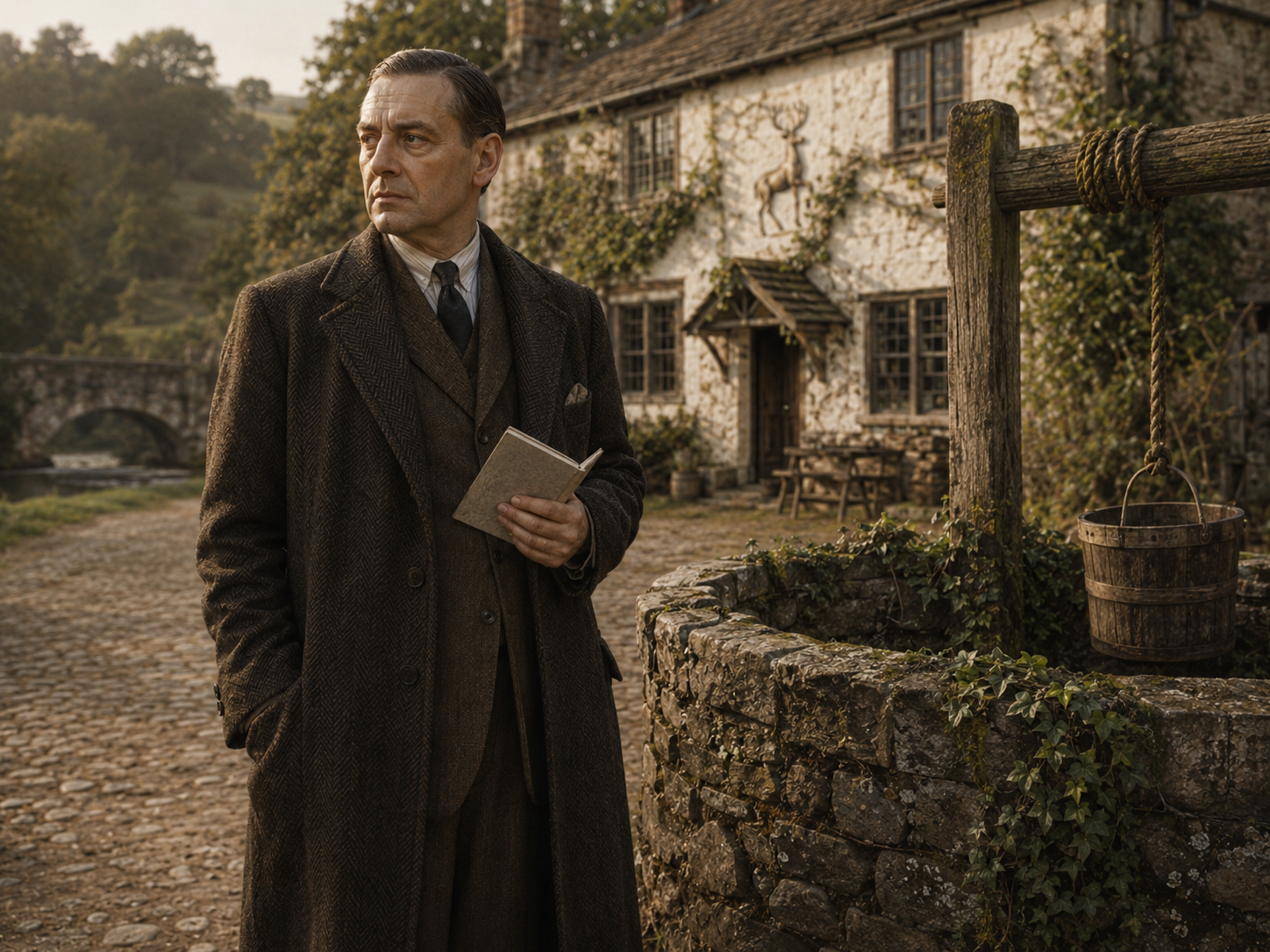
The White Hart also has a literary connection through the poet T. S. Eliot. In his poem Usk, Eliot wrote the line: “Do not hope to find the white hart behind the white well.”
For many years, students and readers interpreted the line as a reference to the animal. More recently, it has been suggested that Eliot was referring to The White Hart Village Inn itself. The poet visited the old hostelry while touring in 1935, and the inn once stood close to the village well. The well has since gone, but The White Hart remains.
Today, The White Hart is an attractive and welcoming stop for visitors exploring Llangybi and the Usk area. It offers the character of a traditional village inn, with the added interest of being linked to key moments and figures in British history.
Much of the building’s period interior remains, including exposed beams, areas of Tudor plasterwork and no fewer than eleven fireplaces. There is even said to be a priest’s hole hidden within the building. Ask the team to point it out when you visit.